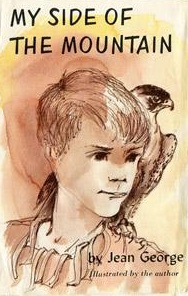
 My Side Of The Mountain is about Sam Gribley, a 12 year old boy who decides to run away from his cramped home in New York, and learns to survive in the wilderness around his great-grandfathers farm up in the Catskill mountains. I found it interesting, well written, thought provoking, light-hearted, and enjoyable.
 Monday, July 23, 2012
My Side Of The Mountain by Jean Craighead George
My Side Of The Mountain is about Sam Gribley, a 12 year old boy who decides to run away from his cramped home in New York, and learns to survive in the wilderness around his great-grandfathers farm up in the Catskill mountains. I found it interesting, well written, thought provoking, light-hearted, and enjoyable. 
Friday, July 13, 2012
The Roar by Emma Clayton

The Roar by Emma Clayton
The blurb: Post apocalyptic distopia, "mutant" psychics, Etc. Etc.
What it starts to look like: Enders Game/Neon Genesis Evangelion meets Carrie,
then edited until it looks PG(read: no aliens), if still depressing.
Plot Holes: Yes.
To name but a few:
- No space colonies(despite the bad guy having a space station)
- No underwater colonies
- The twin in the beginning not leaving anything identifying during her escape and capture(she has telekinesis for crying out loud)
- None of the "mutant" kids pulling a Carrie(except one, and he gets stopped by a glance)
- Convincing via television hoax * nearly two thirds of the planet to evacuate to the remaining third.
Execution: Terrible, 1.9 stars, not as bad as it could have been, but there are better uses of my time.
*Spoiler, highlight to show.
Friday, June 8, 2012
Moon Over Manifest by Clare Vanderpool

Wednesday, May 30, 2012
Little Women by Louisa May Alcott
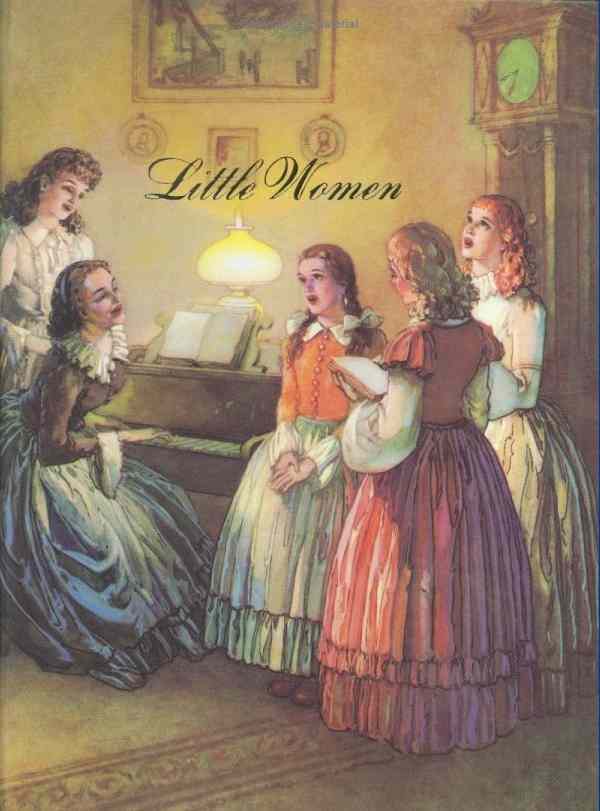
I liked
this book because even though at a couple of points I felt that it was
somewhat unrealistic I thought that it did a good job showing how
friendship can work, especially in a family setting. It was funny,
interesting, and a light read---I think I would recommend it to just
about anyone old enough to understand it.
Thursday, April 5, 2012
Gardeners of Eden: Rediscovering our Importance to Nature by Dan Dagget
 Many books about ecological responsibility leave you thinking there's no hope - that humans and a green, happy planet are antithetical to each other, or at least that technology and (planet) health are never going to work together.
This book did a remarkably convincing job of saying "it's not true." It's a slim volume, maybe half a dozen case studies, talking about how intelligent use of resources for humans can actually improve things for the other critters involved, too. Well!
I won't reiterate much of the argument here, only say that this has beautiful photos, lovely short stories, and made me feel that the idea of humans as caretakers - some would say stewards - for the earth is not such a bad one, after all.
Monday, March 12, 2012
Science Fair Season by Judy Dutton

Saturday, March 3, 2012
Faith and Treason: The Story of the Gunpowder Plot by Antonia Fraser

Subscribe to:
Posts (Atom)